Volvo vs. Polestar: What's the Difference?
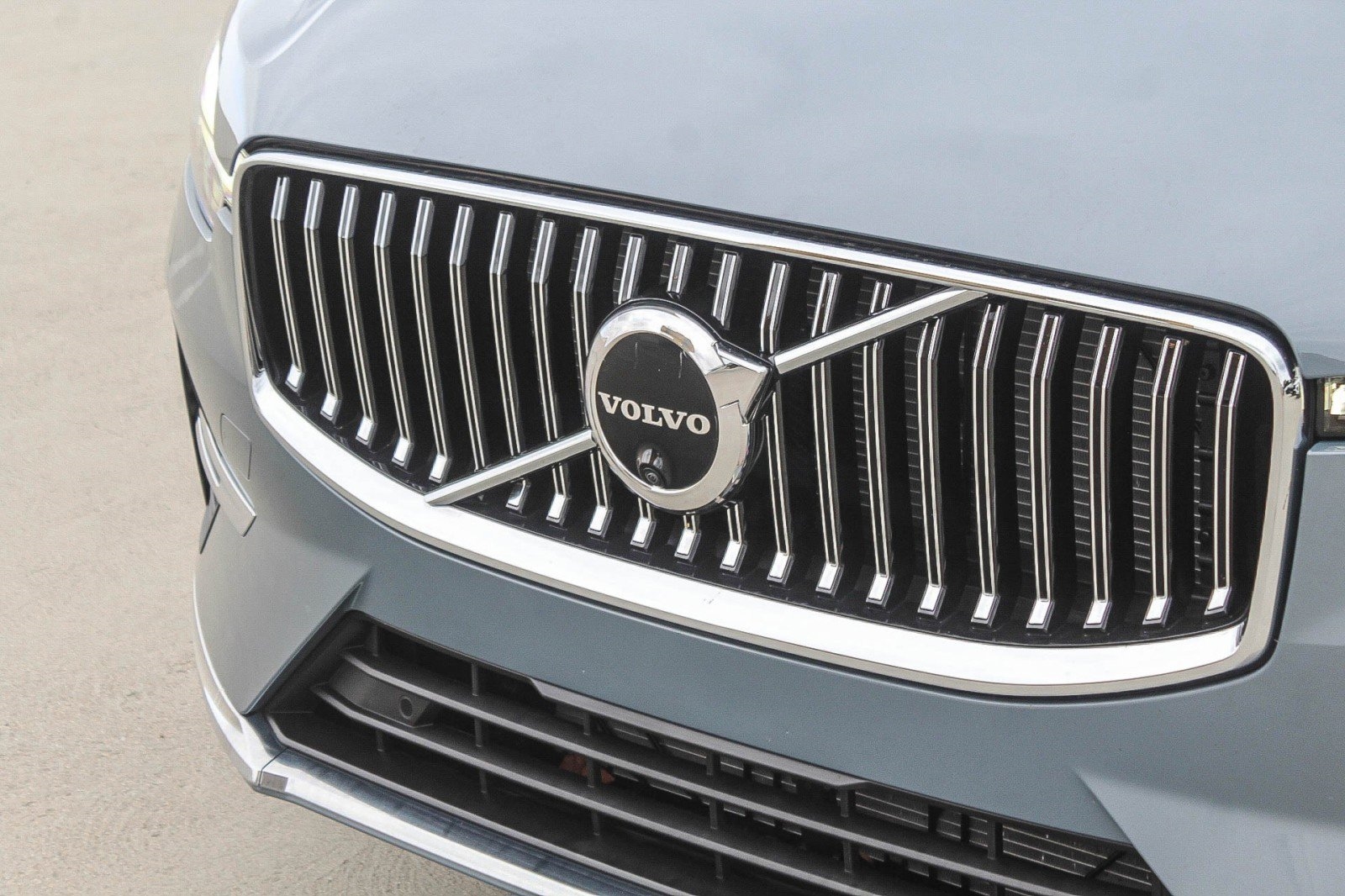
Volvo and Polestar are closely connected, so it is easy to see why shoppers sometimes compare them as if they are two versions of the same brand. They share Swedish roots, design influences, engineering history, and a connection to the broader Geely automotive group. But for today's shoppers, Volvo and Polestar are best understood as related brands with different personalities, different lineups, and different ownership experiences.
Volvo is a full-line premium automaker with mild hybrid, plug-in hybrid, and fully electric choices. Polestar is an EV-first performance brand with a more minimalist, tech-forward identity. That distinction matters even more for drivers in Southern California, where daily range, charging access, family space, service support, and long-term availability can all influence the right decision.
Here is a clear breakdown of where Volvo and Polestar overlap, where they differ, and which brand may make more sense for your next vehicle in Mission Viejo.
Volvo vs. Polestar at a Glance
| Category | Volvo | Polestar |
|---|---|---|
| Brand identity | Premium Scandinavian luxury focused on safety, comfort, practicality, and calm design | EV-first Scandinavian performance brand focused on minimalism, technology, and bold design |
| Powertrain choices | Mild hybrids, plug-in hybrids, and fully electric vehicles | Fully electric vehicles |
| Best fit | Drivers who want flexibility, family usability, comfort, safety, and local dealer support | Drivers who want a more unconventional EV with a performance-oriented personality |
| Shopping experience | Traditional premium dealer experience with sales, service, parts, and lease support | EV-focused retail model, with availability and support varying by market |
Are Volvo and Polestar the Same Company?
No. Volvo and Polestar are not the same company today. Polestar began as a performance and motorsport name closely associated with Volvo, and Volvo acquired Polestar in 2015. Later, Polestar became its own standalone vehicle brand focused on electrified performance.
That history is why the two brands can feel connected. They have shared design influences, technology relationships, and corporate ties through the broader Geely ecosystem. But a Volvo model and a Polestar model are not simply the same vehicle with different badges. Volvo has its own lineup, dealer network, brand strategy, service experience, and product priorities. Polestar operates separately and is positioned more narrowly around electric performance and minimalist design.
Another source of confusion is the phrase “Polestar Engineered.” You may see it connected to certain Volvo vehicles, performance packages, or software optimizations. That does not mean the vehicle is a Polestar-branded car. It usually means the Volvo has a performance-oriented treatment or upgrade connected to the Polestar name.
Volvo History: Safety, Comfort, and Real-World Luxury
Volvo was founded in Gothenburg, Sweden, in 1927. From the beginning, the brand built its reputation around durable vehicles designed for real-world conditions. Over time, that practical foundation became the basis for Volvo's modern premium identity: quiet cabins, comfortable seating, elegant Scandinavian design, and advanced safety engineering.
One of Volvo's most famous milestones is the modern three-point safety belt, introduced in 1959. That decision helped define Volvo as a safety leader and shaped how many drivers still think about the brand today. For many families, commuters, and professionals, Volvo stands for confidence without flashiness.
Modern Volvo models continue that theme, but with a much broader range of choices. At Volvo Cars Mission Viejo, shoppers can compare fully electric Volvo models, plug-in hybrid SUVs, and mild hybrid vehicles in one place. That gives Volvo a major advantage for drivers who like the idea of electrification but are not sure whether a fully electric vehicle, a plug-in hybrid, or a mild hybrid is the best fit for their daily routine.
Polestar History: From Racing Team to EV Brand
Polestar's roots are sportier. The name traces back to Swedish motorsport, including a racing team that became closely associated with Volvo performance. Before Polestar became a standalone brand, the name was used in connection with performance upgrades and enthusiast-oriented Volvo models.
After Volvo acquired Polestar in 2015, the brand evolved quickly. It moved from being a Volvo performance label into a separate electrified vehicle brand. Early attention came from the limited-production Polestar 1 plug-in hybrid grand tourer, followed by fully electric models like Polestar 2, Polestar 3, and Polestar 4.
Today, Polestar's identity is more experimental than Volvo's. The brand leans into clean EV packaging, sharp exterior proportions, digital-first interiors, and performance numbers that appeal to drivers who want their electric vehicle to feel more athletic and less traditional.
Ownership and Brand Relationship Today
The biggest update for older Volvo vs. Polestar comparisons is that Polestar should no longer be described as simply “Volvo's EV division.” Volvo reduced its ownership stake in Polestar, and Polestar now operates as a separate public EV brand within the broader Geely ecosystem.
That difference matters when you are shopping. Volvo still offers a full premium lineup with local dealership support, factory-trained service, parts, financing, leasing, and trade-in assistance. Polestar remains connected to Volvo historically and technically, but it has its own product roadmap, retail structure, and market challenges.
For U.S. shoppers, availability is now part of the conversation. As of mid-2026, Polestar's future U.S. sales for 2027-model-year and newer vehicles have been affected by federal connected-vehicle rules, while existing U.S. vehicles and support remain part of the brand's stated plan. Because that situation can change, it is smart to verify current Polestar availability directly before comparing a Polestar against a new Volvo.
Lineup Differences: Volvo Gives You More Powertrain Flexibility
Volvo's lineup is broader. You can shop compact SUVs, midsize SUVs, three-row SUVs, wagons, plug-in hybrids, mild hybrids, and fully electric models. That makes Volvo especially appealing for drivers who want to choose the level of electrification that fits their life rather than being pushed into one format.
For example, a Mission Viejo driver with reliable home charging and a predictable commute may love a fully electric Volvo from the Volvo electric lineup. Someone who drives from South Orange County to San Diego, Los Angeles, or the mountains on a regular basis may prefer the flexibility of a plug-in hybrid SUV. A driver who wants premium comfort without needing to plug in may prefer a mild hybrid Volvo.
Polestar, by contrast, is an EV-first brand. That creates a more focused lineup and a clearer performance identity, but it also means less flexibility for shoppers who are still deciding between a hybrid, plug-in hybrid, and full EV. If you already know you want a fully electric vehicle with a more unconventional style, Polestar may be interesting. If you want choices across electrification levels, Volvo is usually easier to match to your lifestyle.
Design Differences: Calm Luxury vs. Concept-Car Minimalism
Volvo design is built around restraint. The lines are clean, the cabins are calm, and the overall impression is premium without being loud. A Volvo interior is designed to feel like a peaceful space during the daily drive, whether you are taking the 5, heading toward Laguna Beach, or running errands around The Shops at Mission Viejo.
Polestar design is more futuristic. The exterior proportions tend to look sharper and more experimental, while the interiors often lean heavily into digital controls and minimalist layouts. Some drivers love that more concept-like approach. Others prefer the softer, warmer, and more familiar atmosphere of a Volvo cabin.
A simple way to think about it is this: Volvo feels like a carefully designed Scandinavian home. Polestar feels more like a modern design studio. Both are clean and premium, but the emotional effect is different.
Performance Differences: Effortless Confidence vs. EV Athleticism
Volvo performance is usually about smooth confidence. Even when a Volvo is quick, the power delivery is tuned around comfort, predictability, and control. This is especially clear in Volvo SUVs, where the goal is to make daily driving feel secure and easy rather than aggressive.
Polestar performance is more overt. The brand highlights strong EV acceleration, responsive handling, and a driver-focused personality. Models like the Polestar 3 and Polestar 4 have been marketed around quick acceleration and high-output electric powertrains, giving the brand a sportier edge.
That does not mean Volvo is slow or dull. It means Volvo and Polestar prioritize performance differently. Volvo blends power with quietness, safety, and family-friendly composure. Polestar places more emphasis on the feeling of electric performance itself.
Safety and Ownership Experience
Safety is one of Volvo's defining strengths. Volvo models are built around driver-assistance technology, structural safety, visibility, occupant protection, and a long-standing safety-first philosophy. For families in Mission Viejo, Laguna Niguel, Lake Forest, Rancho Santa Margarita, and nearby Orange County communities, that can be a major deciding factor.
Polestar vehicles also offer advanced safety and driver-assistance technologies, and the connection between the two brands means there are shared engineering influences in some areas. Still, the ownership experience is not the same. Volvo Cars Mission Viejo can support you through the entire journey, from comparing models to leasing or financing, maintaining your vehicle, ordering genuine parts, and scheduling certified Volvo service.
That local support matters. A premium vehicle is not only about the test drive. It is also about where you go for maintenance, software-related questions, warranty support, tires, brakes, accessories, and long-term care. When you shop Volvo locally, you have a dedicated dealership team nearby before and after the sale.
Pricing and Value Differences
Volvo pricing spans a wider range because the lineup is broader. A compact Volvo SUV, a midsize plug-in hybrid, a three-row mild hybrid SUV, and a fully electric flagship all serve different budgets and needs. That variety gives shoppers more room to balance monthly payment, size, powertrain, range, and features.
Polestar is positioned more squarely in the premium EV space. That can make sense if you are committed to an electric vehicle and want the brand's specific design and performance feel. But if you are still comparing electric range, charging habits, fuel savings, cabin space, lease terms, resale considerations, and service access, Volvo gives you more ways to find a balanced answer.
The best move is to compare actual available vehicles rather than relying only on brand-level assumptions. You can start with our new Volvo inventory to see current options, then narrow your list by body style, powertrain, and features.
Which Brand Is Right for Mission Viejo Drivers?
Volvo is likely the better fit if you want a premium vehicle that feels refined, comfortable, safe, and easy to own. It is also the stronger choice if you want multiple powertrain options. A plug-in hybrid Volvo can be a smart fit for drivers who want electric driving for local errands but gas-engine flexibility for longer California trips. A fully electric Volvo can be a great match for drivers who are ready for home charging and want a quiet, efficient daily drive. A mild hybrid Volvo keeps things simple with no plug required.
Polestar may be the better fit if you want an EV-only brand with sharper styling, fast acceleration, and a more unconventional identity. It can appeal to drivers who want their vehicle to feel different from a traditional luxury SUV or sedan. However, U.S. availability and long-term support should be part of your research, especially if you are comparing new models.
For many South Orange County shoppers, Volvo is the more practical choice because it blends luxury, safety, electrification, comfort, and local support. It gives you a premium driving experience without forcing you into a single type of powertrain or ownership model.
Frequently Asked Questions About Volvo vs. Polestar
Is Polestar owned by Volvo?
Polestar is no longer simply owned and operated as Volvo's EV division. Volvo acquired Polestar in 2015, but Polestar later became a standalone vehicle brand. Volvo has since reduced its ownership stake, while both brands remain connected through shared history and the broader Geely automotive ecosystem.
Are Polestar cars built by Volvo?
Some Polestar models have shared platforms, technology, or production connections with Volvo-related facilities, but Polestar vehicles are sold as Polestar products. They are not just Volvo vehicles with different badges.
Does Volvo still make electric vehicles?
Yes. Volvo offers fully electric vehicles along with plug-in hybrids and mild hybrids. You can explore current local options through the Volvo electric vehicle lineup at Volvo Cars Mission Viejo.
What is Polestar Engineered on a Volvo?
Polestar Engineered generally refers to performance-inspired Volvo features, packages, or optimizations associated with the Polestar name. It does not mean the vehicle is a Polestar-branded model.
Should I buy a Volvo or a Polestar?
Choose Volvo if you want a broader selection of premium vehicles, local dealer support, strong safety identity, and the ability to compare mild hybrid, plug-in hybrid, and fully electric options. Consider Polestar if you are committed to a fully electric vehicle and prefer a sportier, more experimental design direction.
Explore Volvo Options in Mission Viejo
If you are comparing Volvo vs. Polestar, the team at Volvo Cars Mission Viejo can help you turn that research into a practical decision. We can walk you through electric range, charging habits, plug-in hybrid benefits, cargo space, seating needs, lease options, and long-term service considerations.
Start by exploring our new Volvo models, including fully electric options like the Volvo EX90 and plug-in hybrid choices like the Volvo XC90 Plug-In Hybrid. You can also contact Volvo Cars Mission Viejo to schedule a test drive or ask our team which Volvo best fits your driving routine in Orange County.