How to Reset Volvo TPMS
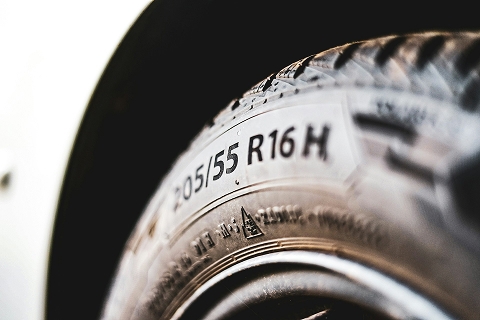
Your Tire Pressure Monitoring System (TPMS) keeps tabs on pressure in real-time and calculates safety margins based on how you're driving. When that amber symbol pops up after tire service or seasonal pressure adjustments, the system hasn't automatically recalibrated yet. Your Volvo TPMS needs manual confirmation that you've taken care of the pressure issue before it resets its baseline readings.
We're sharing the same expertise our technicians use daily in Mission Viejo. Most TPMS warnings clear quickly with the right procedure, though some situations need professional diagnostics. If you run into sensor malfunctions, repeated warning returns, or complex system errors, our Volvo service center has factory-level diagnostic tools to identify what's really going on.
Understanding Your Volvo TPMS and Why the Warning Light Stays On
Your Volvo's TPMS uses sensors mounted inside each wheel to send pressure readings to the vehicle's central computer. These sensors measure actual PSI values several times per minute, comparing them against the baseline you establish during calibration. When pressure drops below the threshold (usually 25 percent under the recommended specification), the system triggers the warning symbol.
The warning light sticks around after you've inflated your tires because the system hasn't gotten confirmation that you've intentionally fixed the issue. Your Volvo doesn't automatically assume the new pressure readings are right. It waits for you to verify proper inflation and manually start the recalibration sequence. This design prevents false resets if pressure temporarily goes up due to heat from recent driving.
Temperature changes cause most TPMS warnings, especially during seasonal transitions. Tire pressure drops roughly 1 PSI for every 10-degree Fahrenheit decrease in ambient temperature. Your sensors catch this pressure loss immediately, but inflating tires to the correct cold pressure specification doesn't automatically tell the system that you've taken corrective action. The manual reset process confirms that tire pressures now meet the manufacturer's safety standards.
Before You Reset: Essential Pre-Check Steps
Verify All Tires Are at the Correct PSI
Resetting your Volvo TPMS with improperly inflated tires creates serious problems. The system will calibrate to wrong baseline pressures, causing either premature warnings when tires are actually fine or delayed warnings when pressure drops to unsafe levels. Your Volvo tire pressure specifications appear on the driver's door jamb sticker, and these cold pressure values represent the engineering-tested optimum for your vehicle's weight distribution.
Check all tire pressures before you start driving, ideally after the vehicle has sat for at least three hours. Heat from driving expands the air inside your tires, artificially raising pressure readings by 2 to 4 PSI or more. If you measure pressure after driving, you'll set baseline values that will trigger warnings once tires cool down overnight. Use a quality digital pressure gauge rather than trusting gas station air compressor readouts, which often read inaccurately.
Don't forget your spare tire if your Volvo model monitors it through the TPMS. Some configurations include a fifth sensor. The system won't complete calibration successfully if one monitored tire sits at wrong pressure. The XC90, for example, includes spare monitoring on certain trim levels.
Inspect for Visible Damage or Slow Leaks
Walk around your Volvo and examine each tire's tread surface and sidewalls for cuts, punctures, bulges, or embedded objects. Pay special attention to sidewall condition. Bulges indicate internal structural failure that no amount of inflation will fix. These damage types cause pressure loss that immediately reactivates your TPMS warning after reset.
Slow leaks often start at the valve stem itself, where your TPMS sensor attaches to the wheel. Over time, valve cores can develop tiny gaps that release air gradually. We recommend the soapy water test: spray diluted dish soap around each valve stem and watch for forming bubbles that indicate escaping air. This simple diagnostic reveals valve core issues that need professional service, as sensor-integrated valve stems require specialized tools for safe servicing.
Environmental debris around valve stems creates another common leak source. Snow, mud, dried salt residue, or road grime can prevent proper sensor sealing or physically damage the valve core. Clean each valve stem thoroughly with a soft brush before checking pressures. If you discover visible tire damage, punctures, or persistent leaks during this inspection, schedule service before attempting any TPMS reset.
How to Reset TPMS on Your Volvo: Step-by-Step Guide
Locate the TPMS Reset Option in Your Center Display
The Volvo TPMS reset procedure works specifically for SPA platform vehicles, which includes 2016 and newer XC90 models, 2017 and newer XC60 models, and 2017 and newer S90 sedans. Your center console features a dedicated MY CAR button that serves as your gateway to all vehicle settings. Before you begin, make sure your ignition is in mode I or II.
Press the MY CAR button on your center console. From this main menu, select Settings to access vehicle configuration options. Navigate to Car settings, which groups all mechanical and system calibrations. Within this submenu, scroll until you locate Tire pressure.
Select Tire pressure to reveal the calibration interface. Your screen displays current pressure readings for each tire position. You'll see an option labeled Calibrate tire pressure. Before you select this option, triple-check that all tires are properly inflated to door jamb specifications. Once you're certain pressures are correct, choose Calibrate tire pressure and confirm your selection by pressing OK/MENU when prompted.
Confirm Calibration and Complete the Drive Cycle
Your Volvo won't immediately confirm successful calibration. The system needs a drive cycle to compare pressure readings during actual vehicle operation. You must drive above 20 mph continuously for at least 10 minutes. Stop-and-go traffic doesn't count toward this duration. Highway driving provides ideal conditions for completing the calibration cycle.
During this drive cycle, your TPMS performs multiple pressure comparisons across all four wheels. The system checks that readings remain consistent and that no wheel shows rapid pressure loss. If everything checks out, the warning light simply disappears without fanfare. Some owners expect a notification when calibration finishes, but Volvo's engineering philosophy emphasizes seamless system operation.
If your TPMS light persists after completing a proper drive cycle, something beyond simple recalibration is wrong. Common culprits include a tire that's still underinflated, a sensor reading incorrectly due to battery depletion, or a sensor not communicating with the vehicle's receiver. If two calibration attempts fail to clear the warning, schedule professional diagnostics. Our factory-trained technicians have Volvo-specific diagnostic equipment that reads individual sensor data, identifies which wheel position is problematic, and determines whether sensor replacement is necessary.
Troubleshooting: When the TPMS Light Won't Turn Off
Light Flashes or Returns Shortly After Reset
A flashing TPMS light indicates a system malfunction rather than a simple low-pressure condition. This behavior means your Volvo's computer can't communicate properly with one or more sensors, or it's detected an internal system fault. The flashing pattern usually lasts about 60 seconds before the light remains solid. Never ignore a flashing TPMS warning. It represents a genuine system failure that won't resolve through another reset attempt.
When your TPMS light returns within hours or days after a successful reset, you're dealing with actual pressure loss rather than a calibration issue. This pattern suggests a slow leak that's gradual enough to avoid immediate detection but significant enough to drop pressure below threshold. Temperature changes between day and night can speed up this process, with overnight cooling causing additional pressure drop to retrigger the warning.
Repeated TPMS warnings despite proper tire inflation point to sensor problems that need professional attention. Sensor batteries typically last five to seven years, and when they begin failing, you'll experience intermittent communication dropout that triggers warning lights unpredictably. Sensor replacement becomes necessary at this point. Schedule service at our Volvo service center for accurate sensor diagnostics and proper replacement using Volvo Genuine Parts.
Sensor and Environmental Issues to Check
Environmental factors create TPMS complications that many owners overlook. Heavy snow accumulation around wheel wells can partially block sensor signals or physically damage valve stems. Road salt residue builds up on sensors over time, creating corrosion that interferes with battery contacts or signal transmission. After winter driving or off-road adventures, thoroughly clean around each wheel well and valve stem area.
Electromagnetic interference occasionally disrupts Volvo TPMS communication. Aftermarket electronic accessories installed near wheel wells (like auxiliary lighting or sound system amplifiers) can generate radio frequency noise that overwhelms sensor signals. If your TPMS issues began shortly after installing aftermarket electronics, suspect interference as a potential cause.
Wheel and tire service performed at non-Volvo facilities sometimes creates sensor problems when technicians lack proper training for TPMS handling. Sensors can be damaged during tire mounting if excessive force is applied to valve stems, or sensor positions can be mixed up during tire rotations. If TPMS issues appeared immediately after service elsewhere, mention this timeline when you schedule diagnostics with us. We can verify sensor functionality and reprogram wheel positions using factory-level diagnostic software.
Preventing Future TPMS Warnings
Regular tire pressure checks form your primary defense against TPMS warnings. We recommend checking all four tires monthly, plus before any extended highway trip. This proactive habit identifies gradual pressure loss before it triggers warnings. Keep a quality digital pressure gauge in your vehicle and establish a routine.
Seasonal pressure adjustments prevent most temperature-related TPMS activations. When temperatures shift dramatically between seasons, adjust tire pressures accordingly before your Volvo's system detects the change. During fall's first cold snap, add 2 to 3 PSI to compensate for the pressure drop that overnight freezing temperatures cause. In spring, you might need to release 1 to 2 PSI as warming trends increase pressure.
Valve stem cap maintenance provides important sensor protection. Those small plastic or metal caps prevent dirt intrusion, maintain valve core seal integrity, and protect delicate sensor components from impact damage. Replace missing valve caps immediately. During tire rotations at our service center, we inspect valve stems and caps as standard procedure, replacing any damaged components before they cause pressure loss or sensor failure.
When to Schedule Professional TPMS Service at Volvo Cars Mission Viejo
Sensor Replacement and Advanced Diagnostics
Sensor replacement becomes necessary when diagnostic testing confirms battery depletion or internal component failure. These aren't DIY repairs. Sensors require precise programming to communicate with your specific vehicle, and installation demands specialized tools. Our factory-trained technicians use Volvo Genuine Parts sensors that match your vehicle's exact specifications. We program new sensors using Volvo's proprietary software, verifying proper communication across all wheel positions.
Complex TPMS diagnostics require equipment beyond what's available at general repair shops. Our diagnostic computers access deeper system data, reading individual sensor battery voltage, signal strength, and transmission frequency. This granular information pinpoints exactly which sensor is failing and whether issues stem from the sensors themselves or the vehicle's central receiver module.
Schedule Your Service Today
We're currently offering service specials that make professional TPMS service more accessible. Whether you need sensor replacement, system diagnostics, or comprehensive seasonal tire service, our team in Mission Viejo provides the expertise your Volvo deserves.
Contact us at 949-776-8691 to schedule service Monday through Friday from 7 AM to 6 PM, or Saturday from 8 AM to 5 PM.
Image by Frank Albrecht | Licensed with Unsplash License