2026 Volvo EX40 Range & Charging
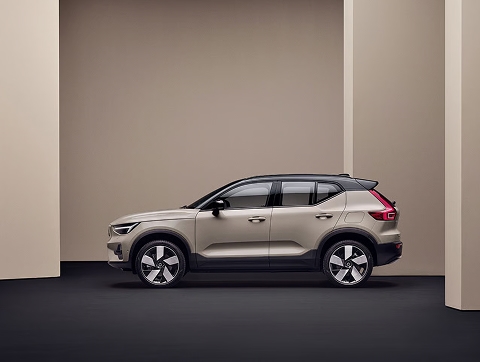
Electric driving in Orange County raises a specific set of questions, and range on the I-5 corridor is usually top of the list, right alongside what happens to that range once the AC is running full blast in July. Volvo has published EPA-estimated figures for both EX40 drivetrain configurations, and we want to walk you through what those numbers actually mean for real South County commutes. If you're ready to see the specs in person, browse our new Volvo inventory and start comparing configurations today.
2026 Volvo EX40: Built for Southern California EV Drivers
The EX40 fits well into daily Orange County life, provided owners plan a bit around range, charging access, and travel conditions. Volvo built the EX40 with regenerative braking, which recovers some energy during deceleration, particularly useful in the stop-and-go traffic common on South County surface streets and freeway on-ramps. It helps stretch your range between charges, but drivers who lean on it too heavily instead of plugging in regularly will end up short on range more often than they'd like.
EPA-Estimated Range: Single Motor vs. Twin Motor AWD
Volvo offers the 2026 EX40 in two configurations, each carrying its own EPA-estimated range. Both numbers represent a full-charge estimate under EPA testing conditions. Treat them as a starting point for trip planning rather than a fixed figure you'll hit every single drive.
| Powertrain | Drivetrain | EPA-Estimated Range | MPGe (city/hwy/combined) | Horsepower |
|---|---|---|---|---|
| Single Motor Extended Range | Rear-Wheel Drive | 296 miles | 118/94/106 | 248 hp |
| Twin Motor | All-Wheel Drive | 260 miles | 103/85/94 | 402 hp |
The gap between the two configurations comes down to priorities. The Single Motor version gives drivers more range for longer trips or fewer charging stops. The Twin Motor AWD trades some of that range for added traction, which matters if you're driving wet canyon roads or just want the confidence that comes with all-wheel drive. The full-charge EPA estimate also differs from the usable range most owners plan around day to day, since many drivers prefer to keep a reserve rather than run the battery all the way down.
What 296 Miles Really Means on the I-5 and 73 Toll Road
For drivers who commute along the I-5 corridor or use the 73 Toll Road regularly, 296 miles of EPA-estimated range adds up to meaningful flexibility. A round trip from Mission Viejo to Los Angeles and back, plus a few errands, fits comfortably within that estimate without a mid-day charge. Actual range shifts with speed, traffic, and conditions on any given day, but the Single Motor's buffer covers the unpredictable stretches of freeway traffic South County drivers know all too well.
How AWD's 260-Mile Range Fits Daily OC Commutes
A 260-mile EPA estimate still covers the vast majority of daily driving in Orange County, whether that's a Mission Viejo to Dana Point coastal run or a full week of errands and school pickups without a public charge. The AWD configuration makes the most sense for drivers who value traction on rainy days or occasional trips into terrain with more elevation change, and the modest range trade-off is easy enough to plan around with consistent home charging.
Real-World Range Factors for Orange County Driving
EPA estimates are a reliable baseline, but real-world range shifts depending on how and where you drive. Sustained freeway speeds, hills, traffic patterns, climate control use, and driving style all affect energy consumption from one trip to the next. Braking and slowing down recover some energy through regenerative braking, while steady high-speed travel on open freeway stretches offers fewer chances for that regeneration to kick in. We'd recommend using the EX40's displayed range and recent consumption data alongside the EPA estimate rather than leaning on either number by itself.
Freeway Speeds, Traffic, and Battery Efficiency
Highway speeds on the I-5 or 73 Toll Road demand more energy than stop-and-go city driving, since regenerative braking has less opportunity to recover energy at a steady 70 mph than it does in traffic. Drivers who spend most of their commute on open freeway stretches should expect somewhat different efficiency than those working through South County's slower, signal-heavy surface roads.
SoCal Heat, AC Use, and Range Impact
Temperature and climate control use affect range in any EV, and Southern California's warm months are no exception. Running the air conditioning on a hot afternoon draws additional energy from the battery, which can shave miles off compared to a mild-weather drive. A few small habits help offset that:
-
Pre-condition the cabin while still plugged in, so the initial cooling draw comes from the wall instead of the battery.
-
Pre-condition the battery too, which Volvo recommends both before you set off and on the way to a charging station, since it improves charging speed and helps range.
-
Park in the shade when possible to reduce how hard the AC has to work once you're back on the road.
Charging the 2026 EX40: Speeds and Options Explained
Charging the EX40 comes down to two distinct approaches: AC charging for routine, everyday use and DC fast charging for shorter stops when you're away from home and need a quicker top-up. Understanding the difference helps you build a charging routine that fits your schedule instead of working against it.
DC Fast Charging: 10-80% in Approximately 28 Minutes
Volvo's own figures put the 2026 EX40 at roughly 28 minutes to charge from 10 to 80 percent when connected to a 200-kW DC fast charger. That figure is conditional. Charger output and battery temperature both play a role, and so does your starting state of charge. Charging is commonly measured up to 80 percent rather than a full 100 percent because the charging rate slows considerably as the battery approaches full, so the last 20 percent takes disproportionately longer.
Level 2 Home Charging Overnight via 240-Volt Outlet
For everyday charging, a professionally installed Level 2 setup on a 240-volt circuit is what most EX40 owners will rely on, and Volvo's own home wallbox is built for exactly that. Charging overnight means waking up to a full or nearly full battery, though actual time depends on the equipment installed and how depleted the battery was to start. A standard household socket works in a pinch but is slow enough to stay an occasional fallback rather than a routine. Any home charging equipment should be evaluated and installed by a licensed electrician to confirm your home's electrical system can support it safely.
Charging Around Orange County: Public and Home Solutions
The most reliable charging routine for an EX40 owner combines dependable home or workplace AC charging with public DC fast charging reserved for trips or schedules that call for a quicker stop. One thing that changed the picture for Orange County drivers: Volvo electric vehicles now support the North American Charging Standard, which opens up Tesla's Supercharger network alongside the CCS stations you'd already be using. That matters here, since Superchargers are among the most densely placed fast chargers along the I-5 corridor. Before relying on any public station, it's still worth confirming the station is operational and checking the available power output, since not every charger delivers the same speed.
Home-charging readiness isn't just about having a 240-volt outlet installed. Your property's electrical capacity, your parking arrangement, and having the right equipment on hand all factor in, and these vary from one home to the next. We'd also encourage building some flexibility into any charging plan. A public charger might be occupied, a session might run slower than expected, or an unplanned detour might come up. Planning around those possibilities keeps range anxiety from becoming a daily concern. If pricing and offers factor into your decision timeline, it's worth taking a look at our current Volvo specials while you plan your next charging setup.
Why Volvo Cars Mission Viejo
Ask Us the Specific Questions
We're set up to walk shoppers through model-specific explanations of range estimates, charging equipment, and what day-to-day EX40 ownership actually looks like, rather than leaving you with generic brochure talk.
What Your Configuration Comes With
Charging accessories and home installation requirements vary between EX40 configurations, so we'll walk you through what your specific build includes before you arrange an electrician.
Factory-Trained Support
Our factory-trained technicians and use of Volvo Genuine Parts mean the people and parts behind your EX40 are matched to Volvo's own standards. Every new Volvo also comes with 2 years or up to 20,000 miles of Complimentary Factory Scheduled Maintenance, whichever comes first, so the first stretch of ownership is covered. Learn more through our service center on Marguerite Parkway.
Test Drive the 2026 Volvo EX40 on Marguerite Parkway Today
A spec sheet gives you the numbers, but the best way to understand how the Single Motor and Twin Motor AWD configurations feel on your usual routes is to get behind the wheel of both and compare them against your actual commute, whether that's a freeway-heavy drive to LA or a shorter loop around South County. While you're here, ask about the range display and how regenerative braking feels in real traffic. Ask how the charging port operates and which charging options make sense for your home setup too.
Inventory changes regularly, so we'd encourage you to check current availability before making the trip. When you're ready, contact us to schedule a test drive and our team on Marguerite Parkway will help you find the right time to come in.