2026 Volvo EX30 Single Motor vs. Twin Motor
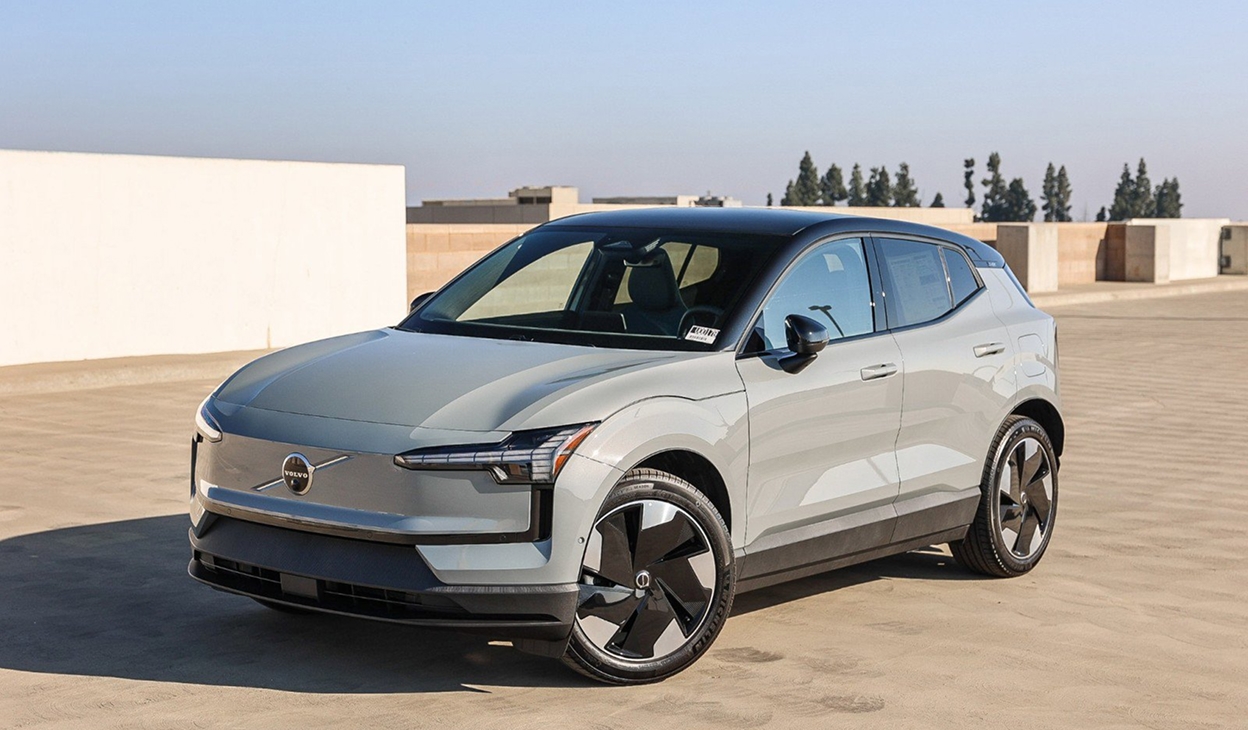
The 2026 Volvo EX30 is a compact electric SUV that packs serious substance into a small footprint. Choosing between the two available configurations, though, is where the real decision starts. What kind of driver are you, and what do you actually need from your vehicle day to day? With 2026 confirmed as the final model year for the EX30 in the U.S. market, getting this right matters. If you're ready to see what's currently in stock, browse our new EX30 inventory to view available trims and configurations at Volvo Cars Mission Viejo.
Both variants share the same sharp design, the same thoughtfully crafted Scandinavian interior, and the same Volvo commitment to safety. What separates them is how they prioritize your driving experience. One leans into efficiency and range; the other pushes toward performance and all-weather capability. Getting this right means more than finding a car you like. It means finding the EX30 that actually fits how you live.
Two EX30s, Two Different Drivers: Understanding the Choice
Volvo designed the EX30 to serve a wide range of drivers, and the two powertrain options reflect that intention clearly. The Single Motor Extended Range is built for those who value distance, efficiency, and sensible everyday economics. The Twin Motor Performance speaks directly to drivers who want responsive power, confident grip in all conditions, and a more spirited connection to the road.
Neither option is a compromise. Each one optimizes for a different set of priorities. Understanding those priorities in the context of your own daily driving is the clearest path to the right choice.
What Sets the Single Motor Extended Range Apart
The Single Motor Extended Range is the efficiency-forward option in the lineup, and it earns that title with a rear-mounted motor producing 268 hp and 253 lb-ft of torque.
Output, Range, and the Case for Efficiency
Volvo rates the Single Motor Extended Range at up to 261 miles of EPA-estimated range on its 69.0 kWh battery. To put that in South Orange County terms: a full charge covers a Mission Viejo-to-Irvine commute and back roughly five times before you need to plug in again. A weekend run to San Diego and back sits comfortably within range without a mid-trip charge stop.
The 0-60 time of approximately 5.1 seconds isn't designed to chase acceleration records, but it handles freeway merges on the 241 Toll Road with quiet confidence. This configuration focuses on delivering a generous driving range per charge, making it well-suited for drivers who cover consistent daily distances and want to spend less mental energy thinking about charging.
The Right Fit: Everyday Commuting and Weekend Escapes
The Single Motor Extended Range fits the driver who views their car as an instrument of daily life. Predictable commutes, school runs, errands, and the occasional weekend trip to Laguna Beach or San Diego. This configuration handles all of that with room to spare. Its rear-wheel-drive setup is well-matched to Southern California's mild, largely dry conditions. For drivers running the 73 or the 241 daily, the efficiency-oriented tuning makes a real practical difference.
What Sets the Twin Motor Performance Apart
The Twin Motor Performance takes everything that makes the EX30 appealing and layers in a performance dimension that noticeably changes the character of the drive.
Power, AWD, and the Case for Excitement
Volvo equips the Twin Motor Performance with a front motor producing 154 hp and 148 lb-ft of torque paired with a rear motor producing 268 hp and 253 lb-ft, for a combined output of 422 hp and 400 lb-ft of torque. The result is a 0-60 time of approximately 3.4 seconds. The kind of acceleration you feel merging onto the 5 or pulling away from a light on Alicia Parkway. It responds more like a sports car than a compact SUV.
Beyond raw speed, the AWD system manages power distribution between both axles intelligently, keeping the car stable during aggressive acceleration and balanced through corners. The Twin Motor weighs approximately 238 lbs more than the Single Motor at around 4,151 lbs, but that extra mass becomes difficult to notice when 422 hp is moving it.
The Right Fit: Spirited Drivers and All-Condition Confidence
This is the EX30 for drivers who genuinely enjoy the act of driving. Orange County rarely demands AWD for traction, and that's worth saying plainly. What the Twin Motor's AWD actually delivers here is performance confidence and stability, not snow-day survival. For drivers who take weekend trips into Big Bear or run canyon roads above Laguna Beach, the added grip is genuinely useful. Anyone who simply wants the sharpest, most engaging version of this car will feel that with every drive.
Range vs. Performance: How the Numbers Play Out in Real Life
The most direct trade-off between these two trims is range versus performance. The Single Motor Extended Range is EPA-rated at up to 261 miles. The Twin Motor Performance is rated at up to 253 miles, an 8-mile difference that narrows further under real-world conditions. Both variants use the same 69.0 kWh battery, so the gap comes down to how each powertrain draws on it.
One genuine advantage for South Orange County buyers: Southern California's mild climate reduces the cold-weather range penalty that affects EV estimates in colder U.S. markets. Both variants will perform closer to their EPA-rated estimates here than they would in, say, Denver in January. Drive calmly and consistently, and either configuration serves a typical week of local driving without anxiety. Use the Twin Motor the way it's designed to be used, and expect the range to reflect that enthusiasm.
For drivers who charge at home overnight, the 8-mile difference is largely irrelevant. Both variants also share the same DC fast-charge rate of up to 153 kW, bringing either battery from 10% to 80% in approximately 26.5 to 28 minutes at a compatible charger.
Price, Value, and What the Upgrade Actually Buys You
The Twin Motor Performance carries a premium of approximately $6,000 over the Single Motor Extended Range on comparable trims. That gap reflects genuine engineering differences: a second motor, an AWD system, 154 additional horsepower, and a 0-60 time that's 1.7 seconds quicker.
For drivers who genuinely value performance and all-weather traction as part of daily life, that premium represents strong value. For buyers who want the core EX30 experience without paying for capabilities they won't regularly use, the Single Motor Extended Range is the better financial fit.
If you're weighing the cost difference and factoring in your current vehicle, estimate your trade-in value to get a clearer picture of what the upgrade actually costs out of pocket. It's a practical first step before settling on which configuration fits your budget.
Which EX30 Matches How You Drive: A Decision Framework
The clearest way to land on the right choice is to be honest about how you actually use a vehicle, not how you imagine you might use it.
Choose the Single Motor Extended Range If…
Your daily commute is consistent and moderate, think Mission Viejo to Irvine and back, and you charge at home overnight. If you want to maximize range buffer on weekend trips to San Diego without planning a charging stop, the 261-mile EPA estimate gives you that cushion. If you drive primarily in Southern California's mild, dry conditions and want the complete EX30 experience at a more accessible price, this configuration delivers. It doesn't ask you to compromise on what defines the EX30. It gives you those qualities with a focus on smart, sustainable everyday driving.
Choose the Twin Motor Performance If…
A 3.4-second 0-60 sounds less like a spec and more like the reason you want this car. Weekend drives into Big Bear or through the canyons above Laguna Beach are part of your routine, and having grip and stability there is genuinely useful. Wet roads from an unexpected SoCal storm give you pause in a rear-wheel-drive car. The Twin Motor Performance changes the personality of the EX30 in ways that enthusiastic drivers will feel the moment they pull onto the freeway. The extra cost is worth it if driving engagement is part of what you're buying.
2026 Volvo EX30 Single Motor vs. Twin Motor: Quick-Reference Comparison
The table below covers the key figures side by side.
| Specification | Single Motor Extended Range | Twin Motor Performance |
|---|---|---|
| Drivetrain | Rear-wheel drive | All-wheel drive |
| Total Horsepower | 268 hp | 422 hp |
| Total Torque | 253 lb-ft | 400 lb-ft |
| 0–60 mph | ~5.1 seconds | ~3.4 seconds |
| EPA-Estimated Range | Up to 261 miles | Up to 253 miles |
| DC Fast-Charge Rate | Up to 153 kW | Up to 153 kW |
Both variants share the same 69.0 kWh battery, the same Volvo safety suite, and the same compact luxury experience that makes the EX30 stand out in its segment.
The Final Model Year Makes the Decision More Important Than Ever
With 2026 confirmed as the final model year for the EX30 in the U.S. market, this isn't a purchase that can be deferred to a next generation. When a model year closes out, the architecture and priorities of the next cycle shift. Locking in a 2026 EX30 now means securing this specific expression of Volvo's compact electric vision before it evolves into something different.
Both configurations represent strong entries in the EV space at specs and pricing that are specific to this generation. If you've been considering the EX30 and want to see how the Single Motor Extended Range and Twin Motor Performance compare in person, we invite you to visit us at Volvo Cars Mission Viejo. Our team can walk you through the specs that matter most to your specific situation and help you leave with the right one.